Most businesses that buy a CRM go through the same arc. Excitement at launch. A few weeks of dutiful data entry. Then a slow drift back to spreadsheets, inboxes and memory, while the CRM bill keeps arriving every month.
The instinct is to blame the software and shop for a new one. Sometimes that's right. Far more often, the platform is fine and the setup is the problem.
Signs your CRM isn't working
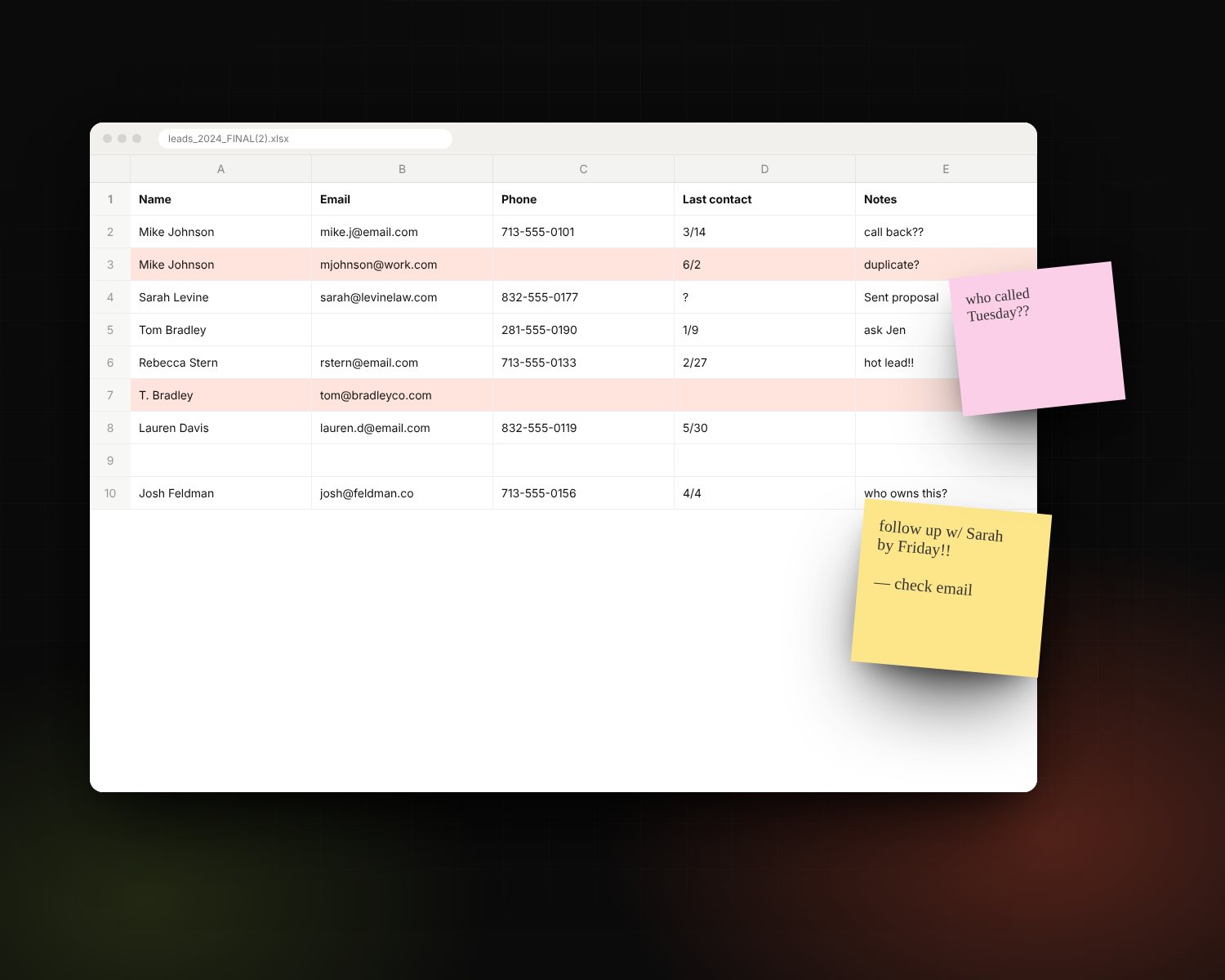
- Leads still arrive by email and someone has to copy them in by hand.
- Nobody trusts the pipeline numbers, so nobody looks at them.
- The same contact exists three times with slightly different details.
- Follow-ups depend on someone remembering.
- Your best salesperson keeps their real pipeline in a personal spreadsheet.
The real reasons CRMs fail
The pipeline doesn't match how you actually sell
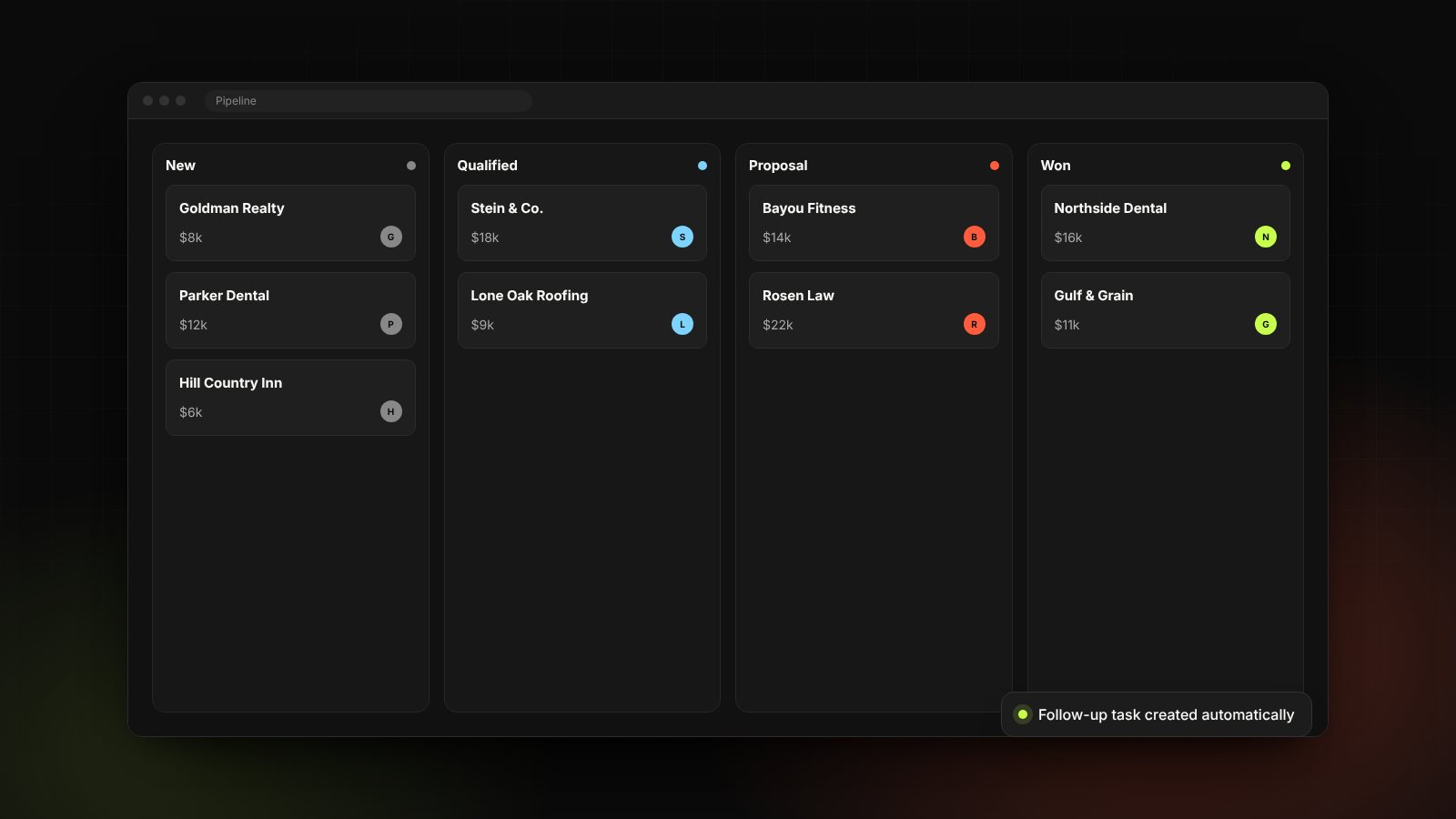
Default pipelines are generic. If the stages in your CRM don't reflect the real steps a deal goes through, people stop updating them because the updates don't mean anything.
It asks for too much
Every required field is friction. When logging a call takes two minutes, it stops happening.
Data entry is manual
If leads from your website, chat and email don't flow in automatically, the CRM is always behind reality, and a system that's always behind gets abandoned.
Nothing happens automatically
A CRM that only stores information is a fancy address book. The value comes from what it does for you: tasks, reminders, follow-up emails, assignment rules.
Nobody owns it
Without someone responsible for keeping it clean and useful, data quality decays quickly.
How to fix it, step by step
- Map your real sales process. Write down every stage a deal goes through and what has to be true to move to the next one. Rebuild your pipeline to match.
- Cut the fields. Keep only what you use for decisions, reporting or follow-up. Everything else becomes optional or goes away.
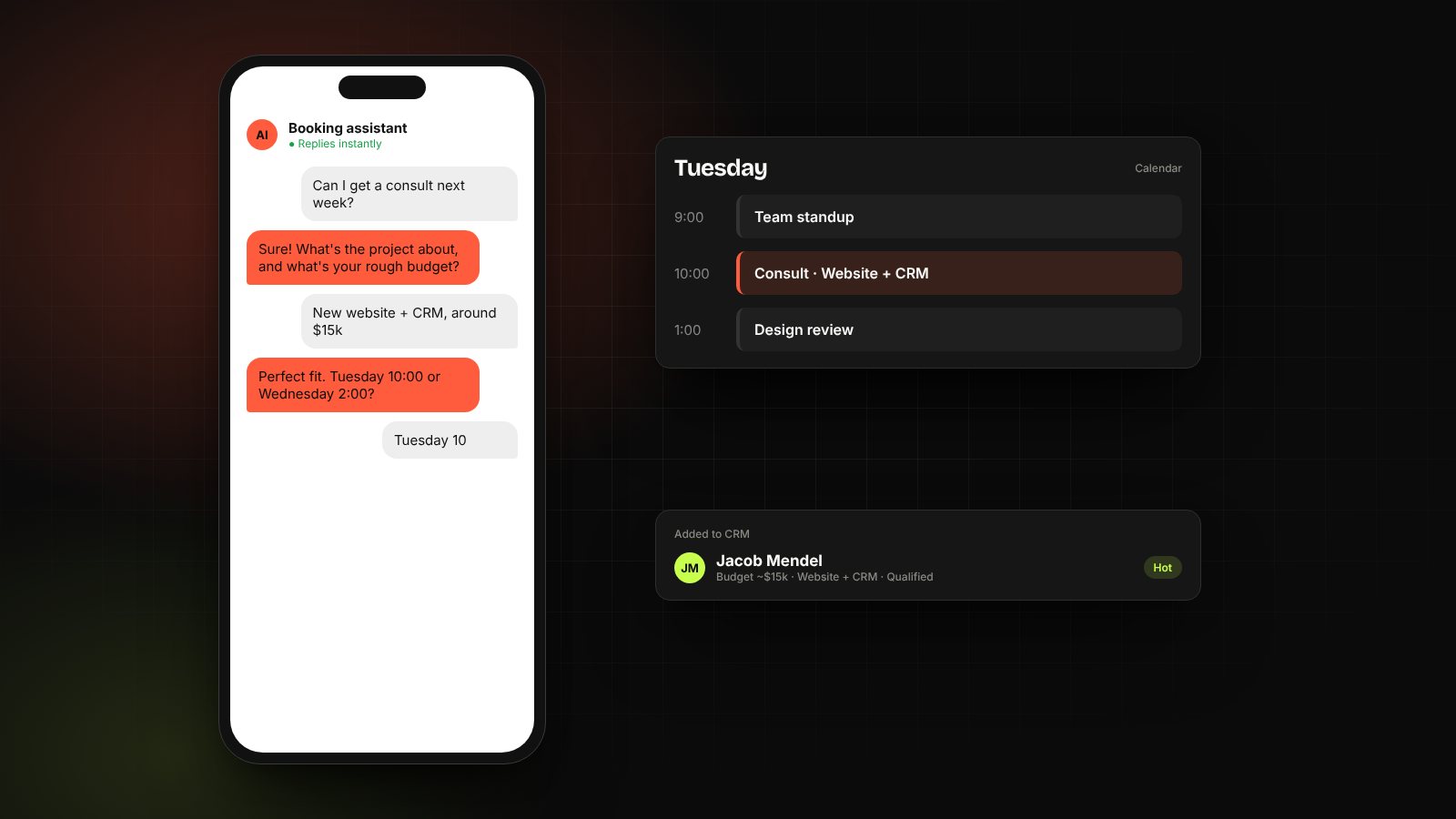
- Automate the way in. Connect website forms, chat, booking tools and email so every lead lands in the CRM with its source attached.
- Automate the follow-up. Create tasks when deals go quiet, send reminder sequences, and assign new leads to the right person instantly.
- Clean the data once, properly. Merge duplicates, standardize formats and archive dead records so people trust what they see.
- Build three dashboards, not thirty. Pipeline by stage, leads by source and activity by person usually covers what leadership needs.
- Train by role, and name an owner. Show each person exactly what they need to do in the CRM, and make one person responsible for keeping it healthy.
When switching really does make sense
Sometimes the platform genuinely is the problem: it can't integrate with tools you depend on, it's priced for a company ten times your size, or it's missing something essential to how you sell. In those cases, a well-planned migration is worth it. Just make sure you fix the process at the same time. A new CRM set up the old way will fail the same way.
The bottom line
A CRM works when it fits your process, fills itself in, and does something useful in return. Get those three right and your team will open it every day because it makes their job easier.
Want a second opinion on your setup? See how we approach CRM implementation and cleanup, or request a free audit.